







Skip to content

Sickle cell care that works as a complete system

Not just improving individual parts — coordinating screening, treatment and lifelong management across Africa, so patients are identified early and supported for life.

See it in action
The Unbroken Line
A neglected crisis

One of Africa's largest — and most neglected — health crises.

Sickle cell disease affects millions across the continent, yet remains under-diagnosed, under-funded and under-treated. The human cost is measured in children.

50–90%
of children with sickle cell disease die before their fifth birthday without coordinated care.
Uyoga et al., Lancet Glob Health, 2019
0M
people are living with sickle cell disease in Africa.
Njuguna et al., Ann Glob Health, 2026
0%
of the world's SCD population lives in Africa.
Njuguna et al., Ann Glob Health, 2026
0K
babies were born with SCD in 2021.
World Health Organization, 2025
A child living with sickle cell disease
imara
/ee-MAH-rah/ · Swahili — "firm," "strong"

Imara is about making sickle cell disease care work as a complete system — not just improving individual parts.

It's the Swahili word for "firm" or "strong" — a reflection of a commitment to strengthening health systems, building sustainable partnerships, and empowering communities to change the trajectory of sickle cell disease. It also personifies the resilience of people living with SCD.

The approach

Integration across existing health systems.

Imara doesn't build parallel structures. It strengthens what already exists — and connects it across the full patient journey.

Build on what works

Leverages community health workers, immunization programs and hospitals already serving communities — not a parallel system.

Coordinate the whole journey

Connects diagnosis, treatment and lifelong management so patients don't fall through the gaps between programs.

Partner across sectors

Brings governments, partners and funders together — because no single organization can solve sickle cell disease alone.

The shift
Today
With Imara

Fragmented efforts operating in silos

One coordinated framework

Fragile patient-care pathways

Continuous care across a lifetime

Inconsistent, disconnected data

Connected data and shared metrics

The framework at a glance

Follow the patient journey.

Ten coordinated activities, spanning every level of care. Scroll to trace the path a patient travels — from the first conversation in their community to lifelong, connected care.

The journey begins

A person, in their community.

Most people with sickle cell disease are never identified. The framework starts where they are.

Primary

Leveraging community engagement

Community engagement, early identification and early linkage to care.

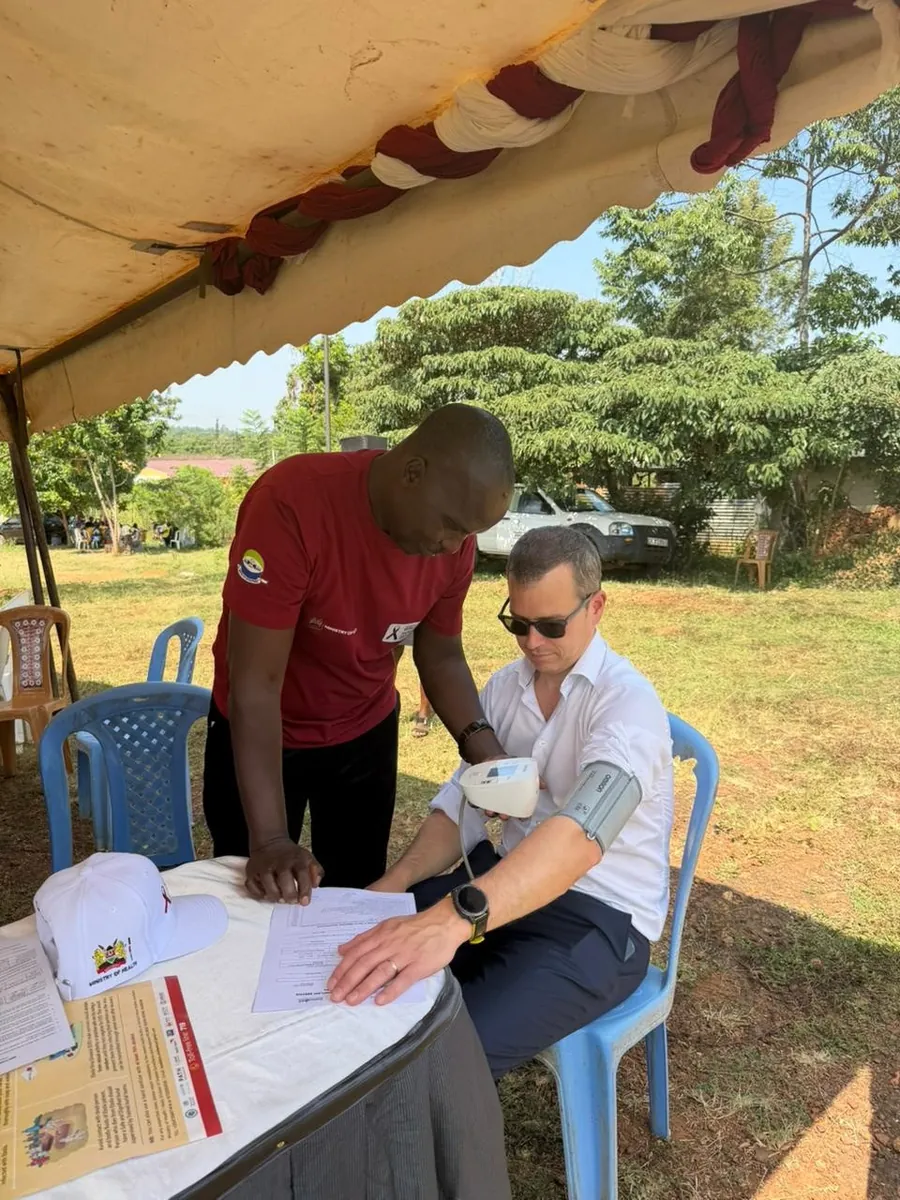
Community health outreach in Uganda
1
01 Primary care

Community awareness

Raising understanding of SCD where people live — so families know the signs and seek care early.

Newborn and family screening
2
02 Primary care

Newborn & family screening

Newborn, early-infant and family screening to catch the disease before complications begin.

A patient being linked to ongoing care
3
03 Primary care

Sustainable linkage to care

Connecting diagnosed patients to ongoing care, so a diagnosis becomes the start of treatment — not the end of contact.

Secondary

Routine care provision

Strengthening capacity for routine care, diagnostics, medicines and blood.

Routine sickle cell care in Kenya
4
04 Secondary care

Routine medical management

Standardized treatment and follow-up that keeps patients stable and out of crisis.

Laboratory diagnostics
5
05 Secondary care

Laboratory & imaging diagnostics

Reliable confirmatory testing and imaging to guide every treatment decision.

Safe blood supply for transfusion
6
06 Secondary care

Safe & adequate blood

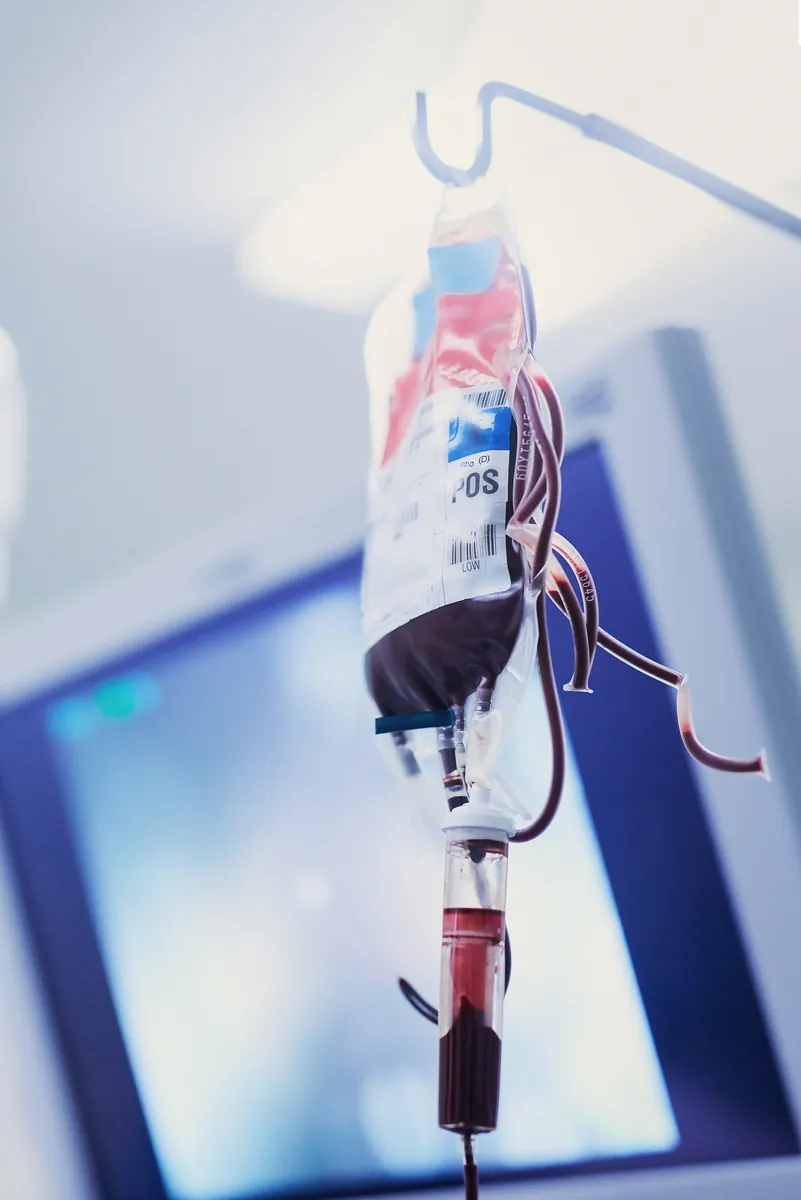
Availability of safe blood components — the foundation of transfusion-dependent care.

Tertiary

Specialized & complex care

Trained specialists managing acute and chronic complications.

Specialist managing complex complications
7
07 Tertiary care

Complication management

Acute and chronic complication care, leveraging trained specialists for the hardest cases.

Cross-cutting

Monitoring, access & execution

The systems that hold every level together and maximize public-health impact.

Health data and records management
8
08 Cross-cutting

SCD data management

Information systems for care and public-health assessment — turning records into insight.

Sustainable healthcare financing
9
09 Cross-cutting

Healthcare financing

Sustainable funding for access and supplies, so care doesn't depend on a family's ability to pay.

Program coordination across the framework
10
10 Cross-cutting

Program management

Overall coordination and execution — the connective tissue that makes the other nine work as one.

The destination

Coordinated care, for life.

Every step connected — so patients are identified early and supported across a lifetime, not lost between programs.

Why Imara

Not another program — an operating model.

Imara is designed to address the core barrier to impact — fragmentation, not a lack of knowledge or solutions — by enabling implementation and continuity of care across the full patient journey.

Connected, coordinated care 01
Addresses fragmentation

One coordinated system

Many programs focus on one part of the pathway — while patient organizations, screening efforts and industry initiatives often operate independently. Imara connects all components together in one coordinated framework.

  • Connects the full patient journey, end to end
  • Prevents gaps and unintended consequences
  • e.g. avoiding access without reimbursement
Implementing care at country level 02
Defines the how, not just the what

An operating model

Imara moves beyond naming what needs to be done. It defines how to implement end-to-end care — and tailors the priorities to each country based on its specific gaps.

  • Gap mapping at country level
  • Fundraising to fill missing elements
  • Coordinated execution across stakeholders
The full continuum of care 03
Owns the last mile

The full continuum of care

Imara explicitly addresses the full patient pathway after diagnosis — the part many programs never operationalize — from confirmatory testing through to lifelong, adult complication care.

  • Confirmatory testing & treatment access
  • Monitoring, blood safety & transfusion
  • Long-term complications & adulthood care
Where we work

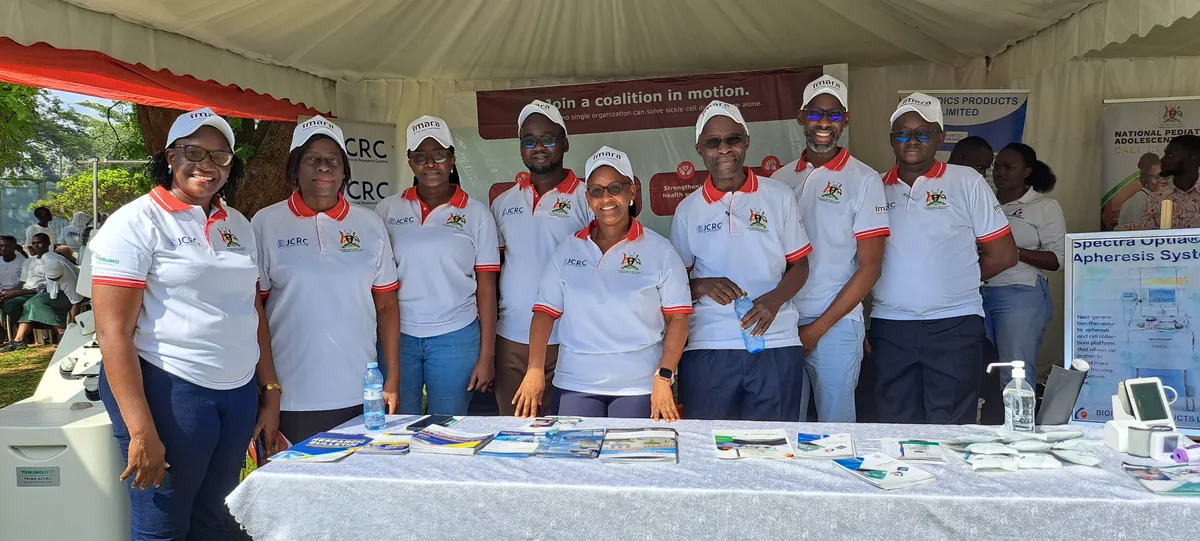
A coalition in motion.

Imara will first be implemented in Kenya, Uganda and Côte d'Ivoire.

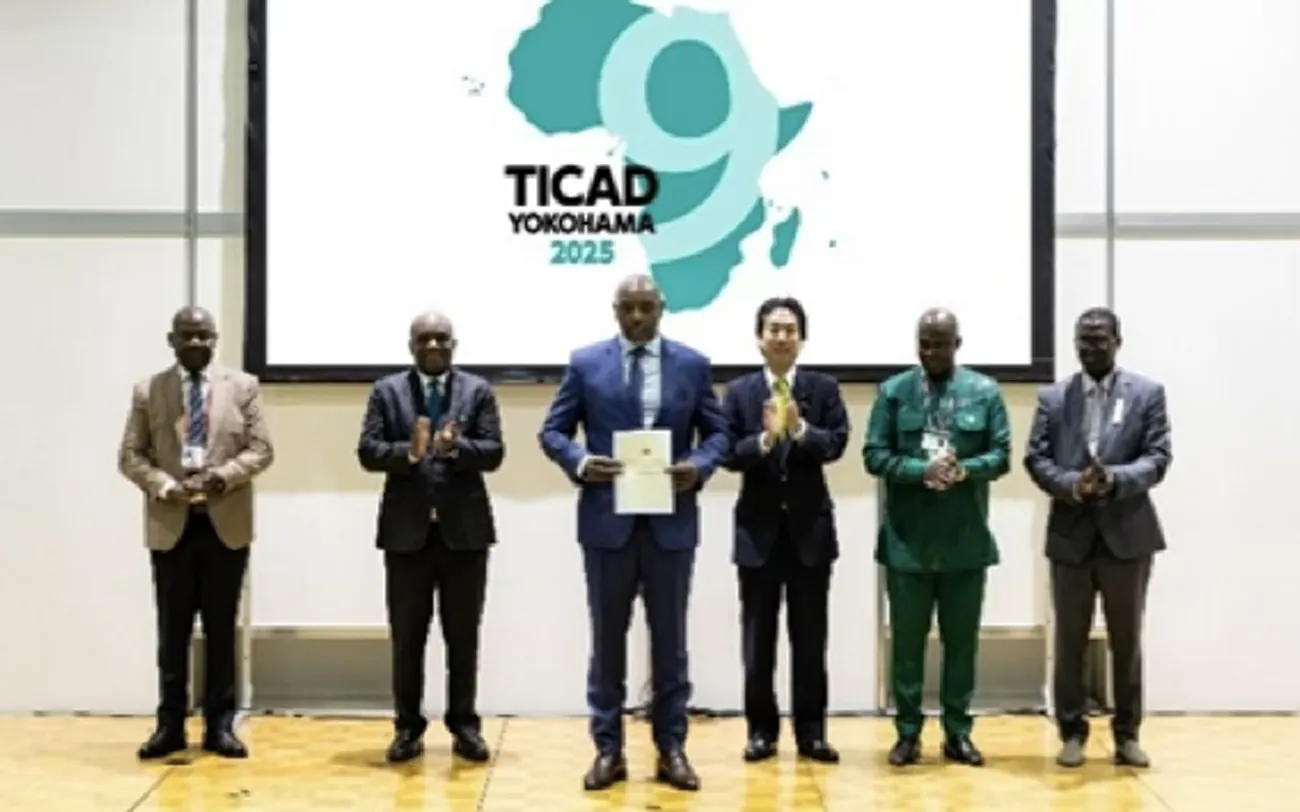
MOU signing — Kenya Ministry of Health and Terumo BCT
Kenya
MOU signed with Terumo BCT — Ministry of Health.
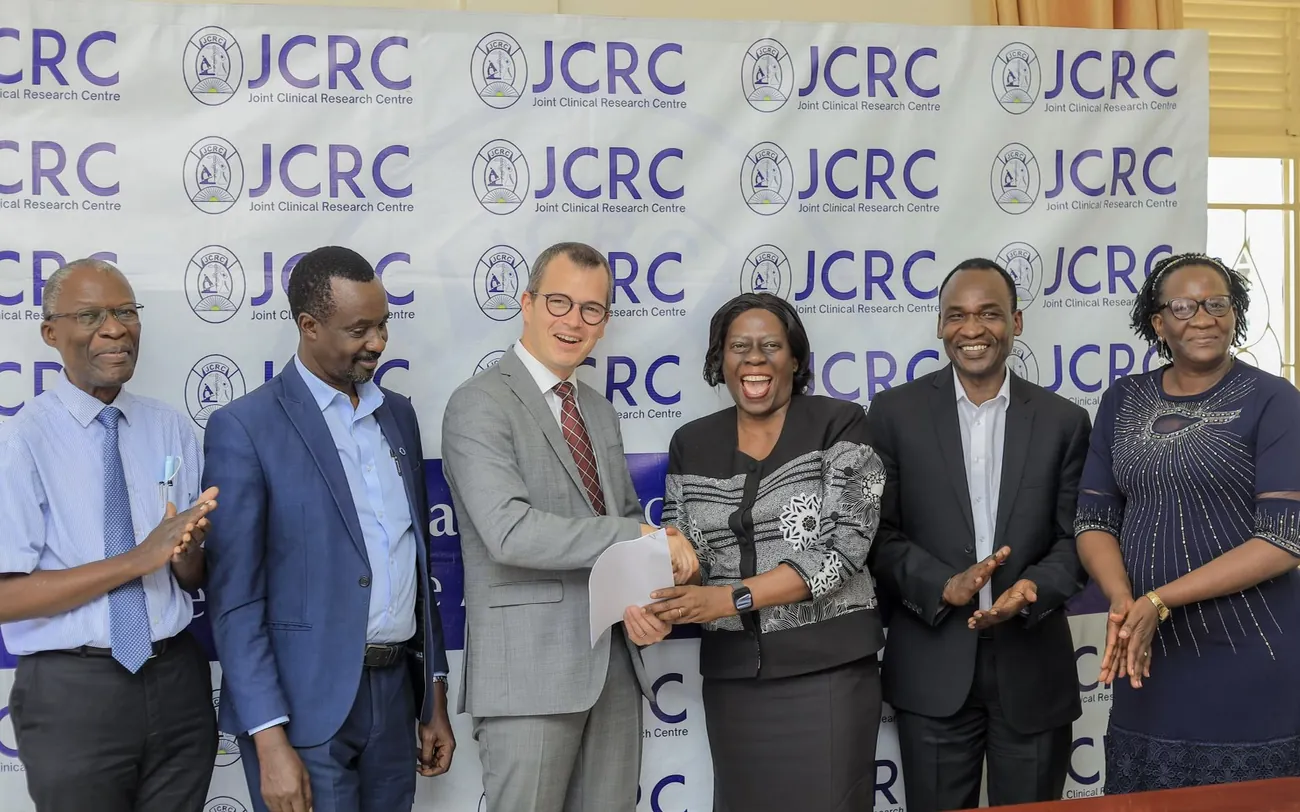
MOU signing — Uganda's Joint Clinical Research Centre and Terumo BCT
Uganda
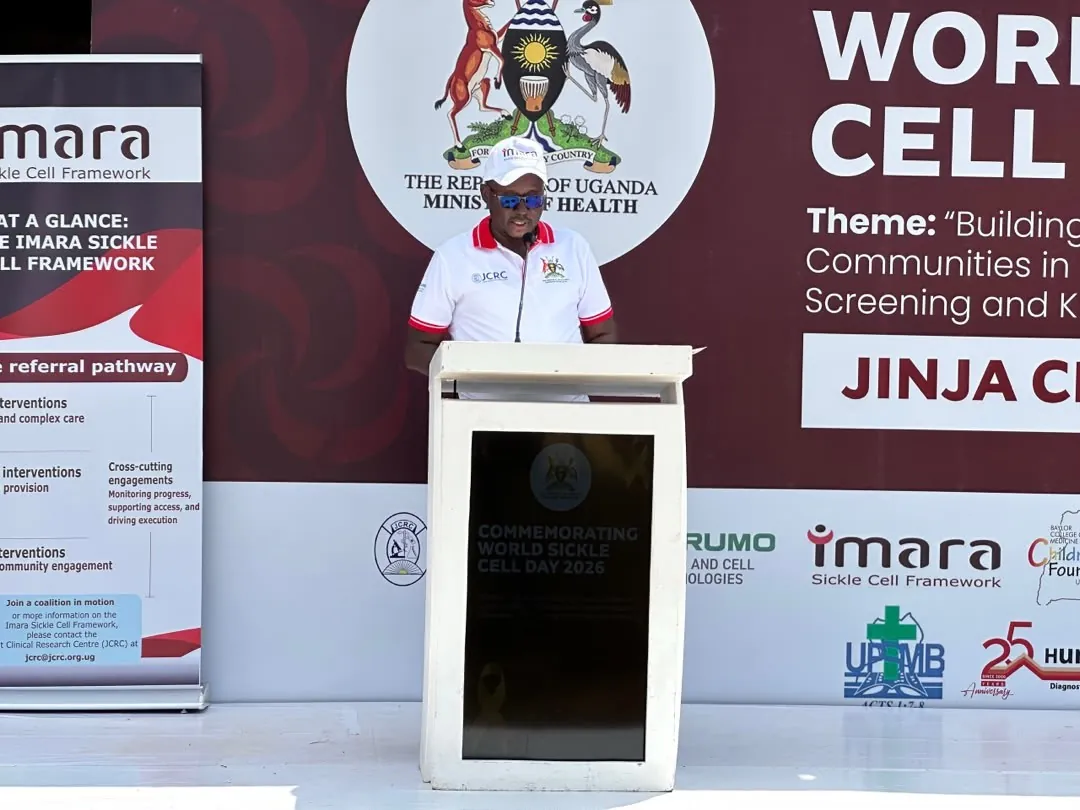
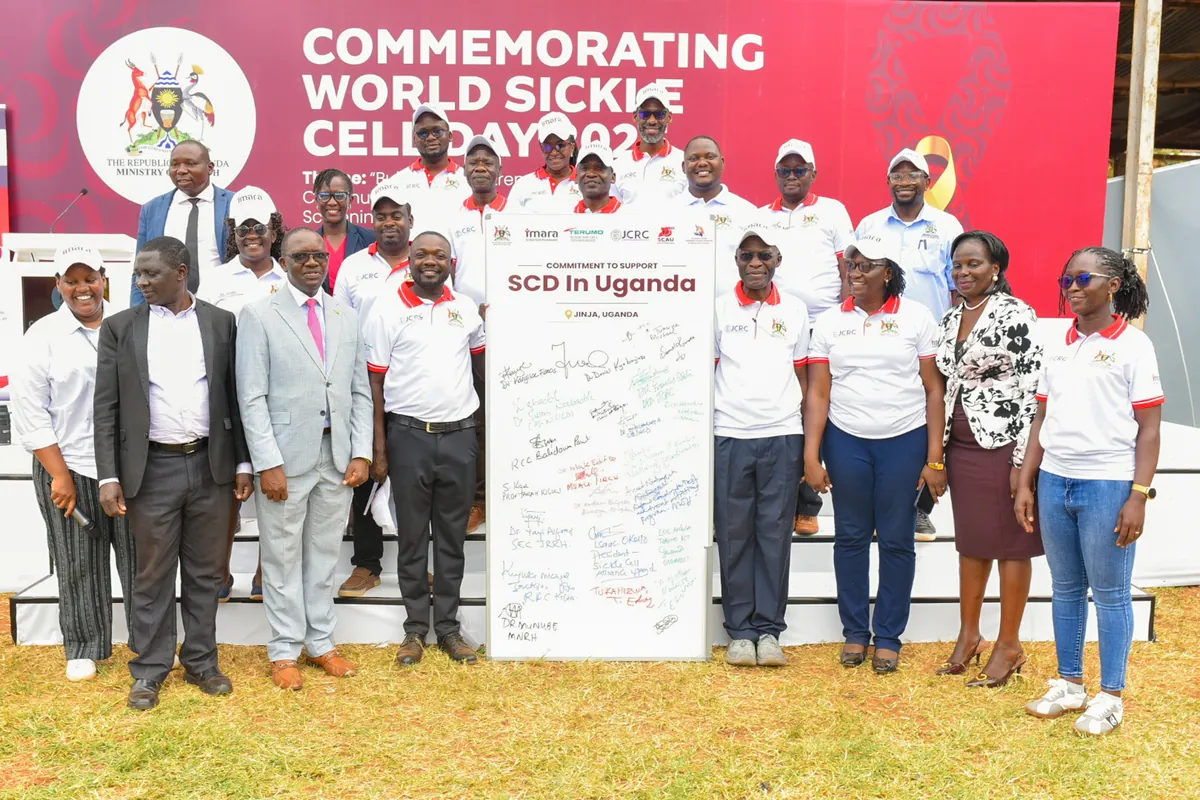
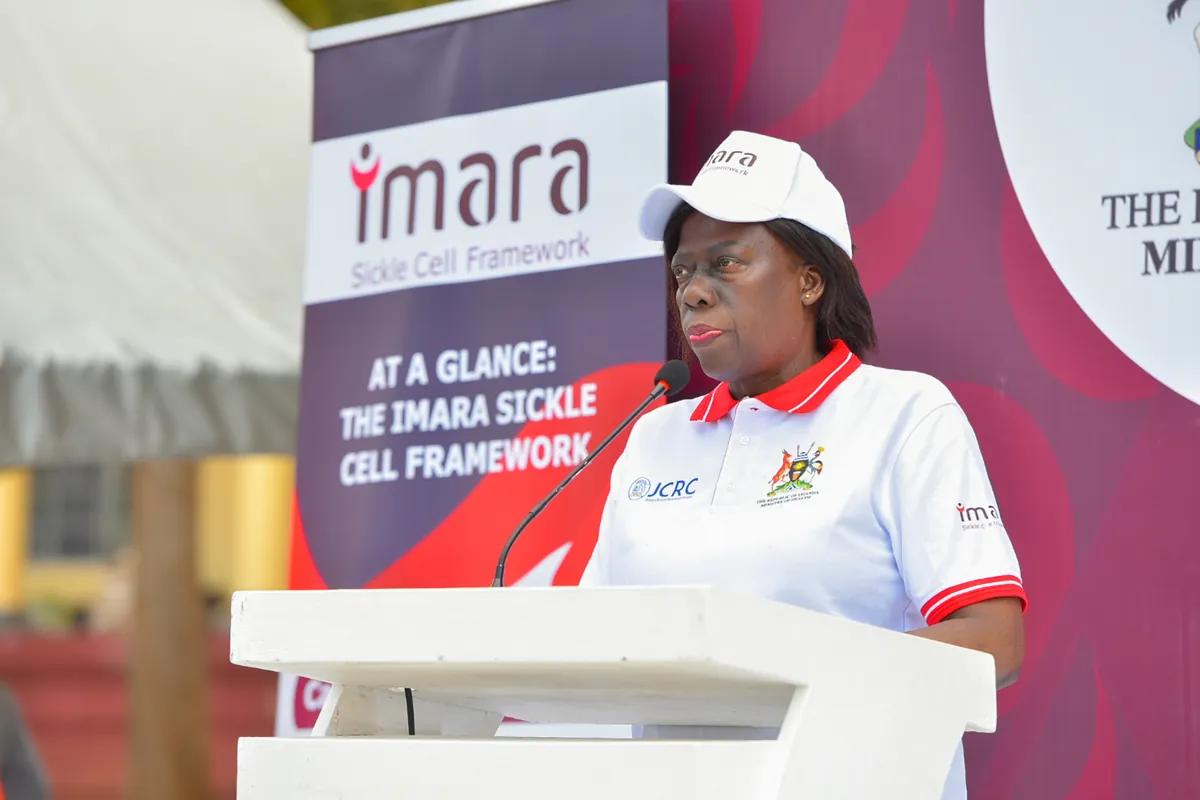
MOU signed with Terumo BCT — Joint Clinical Research Centre, Ministry of Health.
MOU signing — Côte d'Ivoire Ministry of Health and Terumo BCT
Côte d'Ivoire
MOU signed with Terumo BCT — Ministry of Health.
Who's behind it

Government-led, coalition-supported.

Imara was shaped by experts across the sickle cell ecosystem — and is implemented by governments with global and local partners.

Government health leadership
Owners

Governments & Ministries of Health

Primary owners and long-term funders, embedding sickle cell care into national health systems.

World Coalition on Sickle Cell Disease
Coordinating body

World Coalition on Sickle Cell Disease

Aligns partners and stewards the framework across countries.

How Imara is shaped

A structured Delphi consensus across the sickle cell ecosystem

Experts across five stakeholder groups currently shape the priorities behind the framework.

Aligned through structured Delphi consensus — 39 experts across Kenya, Uganda and Côte d'Ivoire
World Coalition on Sickle Cell Disease
Terumo Blood and Cell Technologies
Joint Clinical Research Centre